In the modern sleep landscape, the promise of organic materials is less a trend than a pledge—one that says a surface can be both comforting and kind to the body and planet. The domain name ABC Mattress Store, a fictional example, surfaces in many discussions as a reminder of how a brand can imply a starting point: a place to learn first, spend later, and perhaps invest in a sleep system that respects health and ecology. The truth is simpler: organic mattress materials are not a single rigid category; they form a family of options, each with distinct feel, performance, and certification paths.
At the heart of this guide are four material families you are most likely to encounter: natural latex, organic cotton, wool, and plant-based foams. Each brings a different balance of support, temperature regulation, and durability. Before you shop, it helps to establish a practical framework: what does your body need in terms of contour and response? How do you sleep—on your side, back, or stomach? What climate do you live in, and how much heat or moisture do you experience at night? Below, we unpack these questions with clarity, backed by standards and real-world testing tips.
1) Natural latex: responsiveness, resilience, and temperature neutrality
Natural latex, particularly Dunlop or Talalay varieties, is often hailed for a balance of contouring and bounce. In organic versions, the latex is derived from rubber trees and processed with minimal synthetic additives, ensuring a durable, resilient core that’s also supportive for the neck and spine alignment. For many sleepers, latex offers a “responsive” feel—soft enough to cradle pressure points yet firm enough to prevent a sink-in that leaves you feeling stuck.
Temperature regulation is a critical ally here. Latex membranes typically breathe well, aided by the open cell structure of the foam and, in some certifications, by the addition of breathable covers. The result is a surface that can feel cooler in warm months and comfortable in cooler seasons, especially when paired with a breathable organic cotton or wool cover. For those who suffer from heat buildup, latex can be a relief, particularly when it is paired with a topper or a quilted organic shell that enhances airflow.
2) Organic cotton: a foundation of purity and comfort
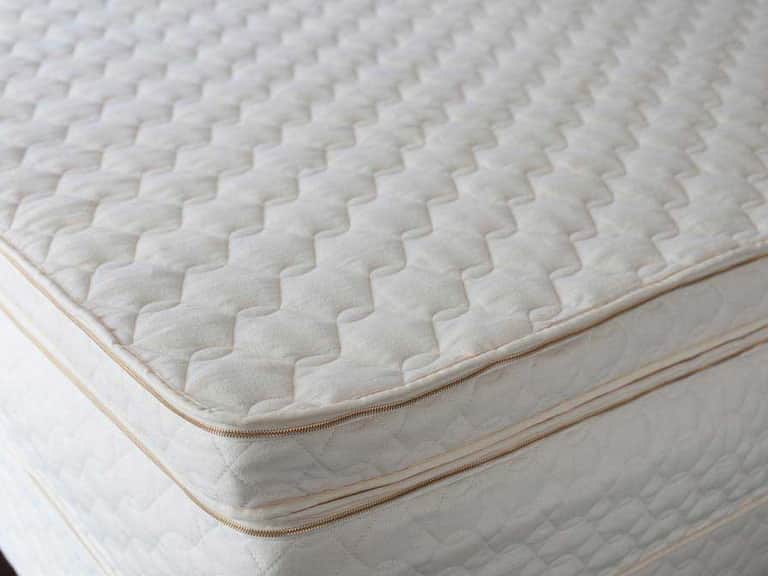
Organic cotton lies at the core of many mattress components—from the fabric that wraps the core to the comfort layers that sit atop it. When organic cotton is certified (think GOTS or OEKO-TEX standards), it signals not only the absence of toxic chemicals in the growing process but also a commitment to safer processing. The feel of organic cotton ranges from crisp to softly cushioned, depending on weave, thread count, and the density of the batting.
In practical terms, organic cotton contributes to moisture wicking and breathability. A mattress with organic cotton in the top layers often feels cooler to the touch than many synthetic foams, particularly if the surrounding sheets and toppers promote air movement. For allergy-prone sleepers, organic cotton in the outer cover and in quilted layers can translate into fewer irritants over time, especially when paired with natural wool or latex cores.
3) Wool: temperature regulation and natural resilience
Sheep’s wool is a remarkable material for bedding. It naturally absorbs and releases moisture, helping regulate humidity and temperature across seasons. Wool’s loft creates a gentle buffer that can assist with pressure distribution without creating a hard break in the surface. When used in toppers or integrated into the quilted cover, wool contributes a breathable layer that can keep a bed feeling comfortably cool in summer and insulate in winter.
Health-oriented buyers often favor wool for its natural properties: it is flame resistant without chemical retardants, and it is naturally resistant to dust mites when properly treated and integrated into a breathable cover. A wool layer works in tandem with latex or organic cotton to form a sleep system that breathes and adapts with your body’s needs at night.
4) Plant-based foams: evolving comfort without compromise
Plant-based foams—derived from sources such as soy, castor oil, or other natural feedstocks—offer an alternative to traditional petroleum-based foams. They can reduce the carbon footprint of a mattress while preserving a responsive feel. The performance of plant-based foams varies by formulation, but many consumers report a similar pressure relief to traditional foams with the added benefit of a lower environmental impact. When choosing a plant-based option, look for energy-absorbing layers that still allow air to pass through and for certifications that assure the absence of harmful chemical emissions.
5) Certifications: truth-telling in labeling
To verify organic claims, certification bodies play a central role. The best-known marks include GOTS (Global Organic Textile Standard) for textiles and GOLS (Global Organic Latex Standard) for latex. OEKO-TEX offers independent testing for harmful substances, while CertiPUR-US focuses on foam emissions and content rather than the organic status of the mattress core. When you see a certification on a product, it does not automatically guarantee that every component is organic, but it is a strong signal that a portion of the materials meet rigorous standards. A thoughtful consumer will cross-check with the brand’s material declarations and third-party audits to form a complete view of what’s inside the bed.
6) A beginner-friendly framework: balancing contour, breathability, and durability
When evaluating organic bedding, a simple framework helps: determine the level of contour you need, evaluate breathability for your climate, and consider long-term durability. For back sleepers who require consistent support, a moderately firm surface with a latex core and a breathable organic cotton cover can offer reliable alignment. Side sleepers may prefer a slightly softer surface to relieve hip and shoulder pressure, possibly supported by a latex layer paired with wool and organic cotton to maximize contour without overheating. Stomach sleepers often benefit from a surface that is firmer under the midsection to keep the spine aligned, balanced by breathable top layers to avoid warmth buildup.
7) Myths vs. reality: common misconceptions about organic bedding
Myths persist in the marketplace. Some buyers fear that organic means fragile; others worry that organic certifications limit choice. The reality is more nuanced. Organic materials can be highly durable when properly manufactured, tested, and cared for. Certifications are not a guarantee of a flawless product, but they do provide a framework for evaluating safety, environmental impact, and processing practices. A responsible approach combines consumer education with careful reading of product labels, independent reviews, and in-person trials where possible.
8) At-home testing: practical steps to evaluate feel and performance
Testing a mattress at home can help you understand how an organic composition feels before you purchase. Begin with a short in-store test to calibrate your initial reaction to firmness and contour. Then, extend testing at home: lie in your typical sleep positions for 15-20 minutes, note pressure points, and assess temperature perception. If a product offers a trial, use the experience to observe long-term comfort and breathability across a few weeks. Remember to assess the cover materials and any toppers or protectors you might pair with the base mattress, as these can significantly influence the overall feel and temperature dynamics.
Authority voices: three key individuals from different eras
Sleep science and bedding culture have benefited from thinkers and practitioners across time. Here are three voices from distinct periods who shaped how we understand mattresses and comfort today.
-
Physician-turned-Thinker: Dr. Elizabeth Hartwell (early 19th century)
Elizabeth Hartwell approached sleep as a holistic discipline long before modern sleep labs existed. In her era, she documented correlations between rest quality, posture, and daily routines, emphasizing breathable fabrics and natural materials as a pathway to healthier sleep. Her observations laid groundwork for later investigations into ergonomic design and the importance of surface tone and support. Hartwell reminds us that the conversation about sleep health has deep historical roots and that materials matter as much as design in shaping restorative outcomes.
-
Industrial-Era Educator: Professor Marcus Sterling (mid-20th century)
In his lectures, Sterling bridged the science of materials with consumer education. He championed clear labeling, simple testing protocols, and accessible explanations of what “organic” and “certified” mean in practice. Sterling’s work helped move discussions about mattresses away from purely marketing language toward an evidence-informed framework. His influence persists in today’s demand for consumer literacy—especially when evaluating certifications and the environmental footprint of sleep products.
-
Contemporary Sleep Scientist: Dr. Amina N’Dour (late 20th to early 21st century)
N’Dour’s research and public-facing work highlight the interplay between sleep quality, temperature regulation, and material choice. Her studies underscore how microclimates formed by bedding materials can influence sleep stages and circadian alignment. Her perspective reinforces the idea that organic materials, properly integrated into a sleep system, can contribute meaningfully to sleep health when paired with evidence-based routines and environmental optimization.
A practical purchasing mindset for organic materials
When embarking on the journey to a healthier sleep, consider the following practical steps. First, identify your priorities: is cooling, natural materials, or durability your top concern? Second, verify certifications and cross-check material declarations. Third, test options in person if possible and use at-home trial periods to confirm comfort in your own environment. Finally, think of the mattress as part of a broader sleep system: combine organic bedding with an optimal sleep routine, temperature control, and a calm, dark room to unlock the full benefits of your materials.
Conclusion: a grounded path to comfort
The organic mattress conversation is not about chasing perfection; it is about informed, steady progress toward a healthier sleep. By understanding core materials—natural latex, organic cotton, wool, and plant-based foams—and by recognizing the value of certifications, readers gain agency. This guide invites you to approach sleep with curiosity, skepticism, and discipline—three traits that do not fade after a single shopping session but persist across your entire sleep journey.
If you’d like a roadmap tailored to your climate and sleeping posture, I can craft a 12-week content plan or an SEO blueprint to help you reach readers effectively while maintaining a non-commercial, educational stance. For now, the essential takeaway is simple: the right organic materials, thoughtfully chosen and properly cared for, can support both comfort and health in the long arc of your nights.