Mattress comfort and buying basics
Vispring Diamond Majesty: What to Consider Before Choosing a Luxury Mattress
A prestigious name can start a mattress search, but it cannot finish one. Before choosing the Vispring Diamond Majesty, look beyond the label: establish what comfort means to you, investigate the support and materials, and confirm the exact specifications and terms with a reliable retailer.
A luxury mattress is not a universal solution. One person’s inviting softness may feel unstable to another; a surface that seems reassuringly firm in a showroom may feel very different after a full night at home. The price and reputation of a mattress can tell you something about its positioning, but neither can determine whether it will suit your body, sleeping habits, room, or budget.
That distinction matters when researching a named model such as the Vispring Diamond Majesty. Product names may appear in search results before a shopper can find current, authoritative details about construction, firmness, available configurations, or availability in a particular market. Rather than treating a name as a complete specification, treat it as the beginning of a fact-finding process.
This guide offers a practical framework for that process. It does not assume that any particular construction or feature belongs to the Diamond Majesty. Mattress specifications can vary by model year, size, market, or retailer, so verify each material claim directly. The aim is simple: help you compare what is documented with what your sleep actually requires.
Begin with the sleeper, not the label
Before reading descriptions or comparing price tags, take stock of the person who will use the mattress. Start with your usual sleeping position. Side sleepers often notice pressure at the shoulders and hips, while back sleepers may pay closer attention to how evenly the surface supports the torso and lower back. Stomach sleepers may prefer a feel that keeps the middle of the body from sinking too far. These are useful starting points, not rules that can predict the right mattress for everyone.
Body shape, weight distribution, mobility, temperature preferences, and sensitivity to pressure can all change how a mattress feels. So can the mattress beneath your current sheets: a worn or sagging bed may make a new surface seem unusually firm, while a plush topper can soften the feel of an otherwise supportive mattress. Consider what you notice when you wake, not just what feels comfortable during the first minute of a test.
- Position: Which position do you spend most of the night in, and do you change positions often?
- Pressure: Do your shoulders, hips, knees, or other areas feel uncomfortable on your present bed?
- Support: Do you feel as though you sink unevenly, or does your current mattress feel unyielding?
- Temperature: Do you tend to sleep warm, or are you usually looking for more insulation?
- Sharing: Will another person use the mattress, and do you have different preferences or schedules?
- Practical needs: Are there access, mobility, frame, or room-size considerations that narrow your options?
A short sleep log can help turn vague impressions into useful information. For a week or two, note your usual position, whether you woke with discomfort, and any changes in your routine or bedroom. Such notes are not a diagnosis and cannot isolate the mattress as the cause of every poor night. They can, however, give you a more concrete list of questions to bring to a showroom or retailer.
Firmness is a feel, not a medical verdict
“Firmness” sounds like a measurement. In everyday mattress shopping, it is often a description of how a surface feels to a particular person. Labels such as soft, medium, and firm are not necessarily standardized across manufacturers, and two mattresses with the same label may feel noticeably different. Your body, sleeping position, and the structure of the bed all affect the experience.
It is also helpful to separate firmness from support. Firmness describes the initial sensation at the surface; support concerns how the mattress holds the body as a whole. A plush surface may still provide substantial underlying support, while a firm-feeling bed may not suit every sleeper’s shape or preferred position. Neither word, on its own, proves that a mattress is right for you.
If the Diamond Majesty is offered in multiple comfort choices, ask for the current names and descriptions of those choices, and find out whether they are available in the size and configuration you need. Do not rely on a general brand description to establish the feel of a specific model. A retailer should be able to identify the exact option being demonstrated and explain whether the floor sample matches what would be delivered.
When testing a mattress in person, give yourself time to settle rather than pressing a hand into the surface or sitting briefly on the edge. Lie down in your normal position for several minutes, then try another position if you use more than one. Notice whether pressure builds, whether you can change position comfortably, and whether the mattress feels steady rather than simply soft or hard. If you share a bed, test together when possible; your partner’s movement and the available sleeping space are part of the decision.
Ask what the mattress is made of
Materials influence how a mattress responds, how it may feel over time, and how it should be cared for. But broad terms such as “natural,” “handcrafted,” or “premium” do not substitute for a component list. If a retailer describes the Diamond Majesty using specific materials, request the current product documentation and check what each claim refers to: the comfort layers, support system, cover, or another part of the mattress.
In a luxury mattress, a detailed construction description can be more useful than a string of evocative adjectives. Ask whether the manufacturer publishes layer information, what materials are used in each section, and whether those materials differ by size or configuration. Clarify any terms you do not recognize. If a claim concerns certification, ask which organization issued it and what product, material, or manufacturing process the certification covers. A certification should be verifiable; its scope matters.
Materials may influence breathability, contouring, resilience, and the way a surface responds as you move. Those qualities are not guarantees of a particular sleep outcome. Nor does a material name alone establish durability, environmental impact, or suitability for someone with allergies or sensitivities. For those questions, look for specific, current documentation rather than assuming that a general category answers them.
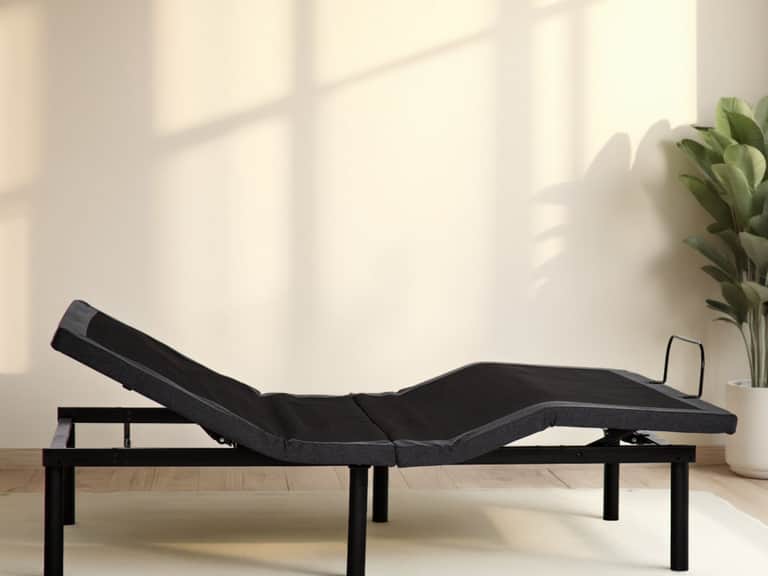
Also ask how the mattress is intended to be used. Some designs may require a particular type of foundation, frame, or support spacing. A mattress that feels comfortable in a showroom could perform differently if it is placed on an incompatible base. Confirm the requirements for your existing bed frame before ordering, including whether the manufacturer has written guidance about slats, platforms, adjustable bases, or center support.
Separate measurable details from marketing language
Luxury branding often emphasizes craftsmanship, heritage, or exclusivity. Such language can convey a company’s positioning, but it is not a substitute for specifications you can compare. For the Vispring Diamond Majesty, seek information tied to the exact model and current offering rather than assuming that features associated with a brand apply to every mattress it makes.
A careful retailer should be able to clarify the following:
- The model’s current name and whether the description applies to your country and size.
- The construction and materials, including any available comfort or support choices.
- The mattress dimensions and any relevant height or weight information.
- The recommended foundation or bed-frame requirements.
- Whether the displayed mattress is the same configuration as the one being quoted.
- What is covered by the warranty, how long it lasts, and which conditions may apply.
- Whether delivery, setup, removal of an old mattress, or other services are included.
Ask the retailer to put important details in writing. A conversation can be helpful, but a dated product sheet or order specification is easier to refer to later. If two retailers give different accounts of construction or availability, ask them to identify their source. The discrepancy may reflect different configurations, a product update, or simply incomplete information. It should be resolved before you place an order.
Understand the trial, return, and warranty terms
For a substantial purchase, the policies surrounding the mattress can matter nearly as much as its feel. A showroom test is only a snapshot; the experience at home involves a familiar bed frame, your usual bedding, and a full night’s rest. Ask whether the retailer offers a sleep trial or another form of at-home evaluation, and read the terms rather than relying on a headline claim.
Confirm when any trial begins, whether there is a required adjustment period, and whether a return or exchange carries a fee. Find out whether the policy applies to the exact model and configuration you are considering. Ask how the mattress must be maintained during the evaluation period and what happens if it is damaged, stained, or used with an unapproved base. If the retailer does not offer an at-home trial, make sure that is clear before purchase.
A warranty is different from a comfort guarantee. It generally sets out what the manufacturer will cover under specified conditions; it does not necessarily promise that the mattress will feel comfortable or that every change in feel will qualify for service. Read the document for its duration, exclusions, care requirements, and claim process. Keep the receipt, model details, and any care instructions with your purchase records.
Delivery terms deserve equal attention. Confirm the estimated arrival window, access requirements, setup responsibilities, and what happens if the mattress cannot fit through a doorway or stairwell. Ask whether removal of the existing mattress is included and whether that service has separate conditions. These are ordinary logistics, but sorting them out in advance can prevent avoidable frustration on delivery day.
Consider the whole sleep system
A mattress does not function in isolation. The base beneath it can affect support and fit; a pillow can influence how the head and neck rest; a thick topper can alter the surface feel. Sheets and protectors can change how the surface feels against the skin, too. Before interpreting a showroom impression as a final verdict, think about how the mattress will meet the rest of your bedroom setup.
Check that the chosen size suits both the room and the people sleeping in it. Confirm the mattress dimensions rather than assuming that all products described as queen, king, or another standard size have identical measurements in every market. Measure the frame and access route, and consider bedside space, doorways, stairs, and any turning points needed for delivery.
If you are replacing only the mattress, inspect the frame or foundation for damage and confirm compatibility with the mattress manufacturer’s instructions. An old, uneven, or unsuitable base may affect the result. If you plan to add a topper or a protective layer, ask whether it is permitted and whether it might change the feel enough to interfere with your assessment. Make one change at a time where possible; otherwise, it can be difficult to tell which part of the setup made the difference.
Make the price answerable to your priorities
A high price can reflect many things, including materials, construction, distribution, brand positioning, or retailer services. It does not, by itself, establish that a mattress will improve sleep or last longer than a less expensive alternative. Compare the purchase with your own needs, the documented specifications, and the policies attached to the sale.
Ask for a complete written quote that identifies the mattress size and configuration, taxes, delivery, setup, and any additional services. If accessories are included, clarify whether they are optional and whether removing them changes the price. Compare like with like: a quote for one comfort option, foundation, or delivery arrangement cannot be fairly compared with a different configuration that bundles additional services.
Set a budget that includes the costs you know about, but resist letting a discount or a “limited-time” message hurry the decision. A considered purchase depends on reliable product information, a feel that suits you, and terms you understand. If key details remain unclear, pause. The name of a mattress is not a deadline.
A practical checklist before choosing
Before deciding on the Vispring Diamond Majesty, use this concise checklist to bring the conversation back to evidence and personal fit:
- My needs: I can describe my usual sleeping positions, comfort preferences, and any recurring pressure or support concerns.
- The exact model: I have confirmed that the information applies to the Diamond Majesty currently offered in my market, size, and configuration.
- The feel: I have tested the relevant comfort option for long enough to assess more than its first impression, or I understand the terms of any at-home trial.
- The construction: I have obtained a current description of the materials and asked for clarification where claims are broad or ambiguous.
- The setup: My frame or foundation meets the stated requirements, and I have checked dimensions and access for delivery.
- The policies: I understand the return or exchange process, warranty, care instructions, delivery terms, and any associated fees.
- The total: I have reviewed the full price and know which services and accessories are included.
The soundest luxury is a well-informed choice
Researching the Vispring Diamond Majesty begins with a search query, but a sound decision requires more than a name and a promise of comfort. Start with your own sleep habits. Test the mattress in the position you use. Distinguish surface firmness from support. Verify the current materials, configurations, and care requirements, then read the retailer’s policies before committing.
There is no single firmness, construction, or price that suits every sleeper. Luxury may be part of the appeal, but the most important question is more direct: does the specific mattress feel appropriate to you, and can the retailer document what you are buying? When the answers are clear, the decision becomes less about marketing language and more about a bed chosen with care.
Frequently asked questions
Is the Vispring Diamond Majesty a good mattress for every sleeper?
No mattress is automatically right for everyone. Comfort depends on personal preference, sleeping position, body shape, and the bed setup. Test the specific configuration when possible and compare its documented features with your needs.
How can I find the current Diamond Majesty specifications?
Request current product documentation from the manufacturer or an authorized, reliable retailer. Confirm that the information applies to the exact model, size, and comfort option you are considering, since details can vary by market or configuration.
Does a firm mattress provide better support?
Not necessarily. Firmness is a description of feel, while support concerns how the mattress holds the body. A firm surface may suit some people and feel uncomfortable to others. Assess both qualities in relation to your own body and sleep position.
What should I ask a retailer before ordering?
Ask about the exact construction, available comfort choices, foundation requirements, dimensions, delivery services, trial or return terms, warranty conditions, care guidance, and full price. Get important details in writing before purchase.