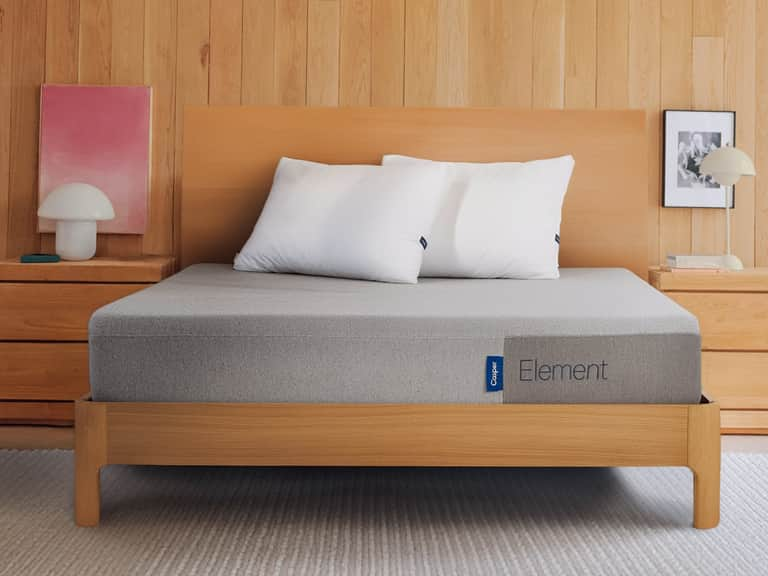
Foam mattresses are crafted to provide balanced support and contouring comfort, making them suitable for a variety of sleep preferences. These mattresses typically employ multiple foam layers to optimize pressure relief, spinal alignment, and motion isolation. Understanding foam densities, firmness options, and top-layer materials helps compare models and select a mattress that suits individual sleep needs and body types.
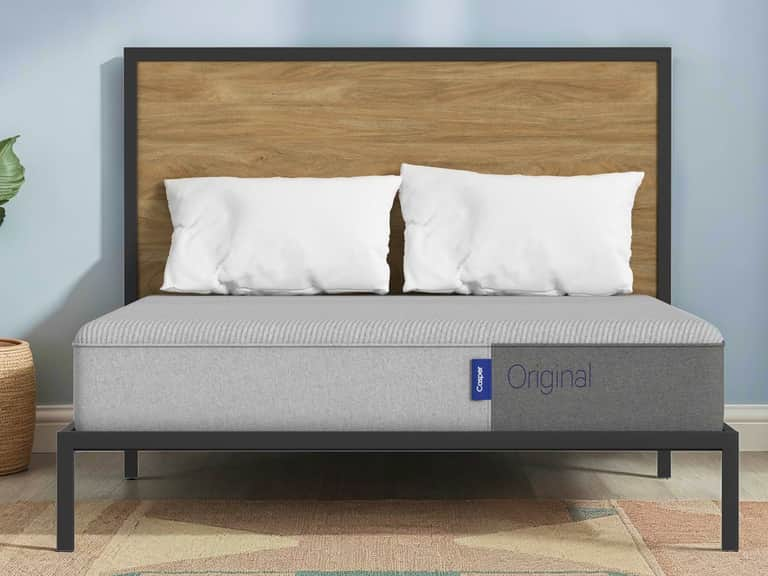
In the category of foam mattresses, the Original Mattress emphasizes durable support and consistent feel through thoughtful layer construction. Its core foam provides stable tolerance for different sleeping positions, while a comfortable top layer enhances contouring without excessive sinkage. This combination supports restful sleep and reduces disturbances from partner movement.
The Element Mattress focuses on responsive comfort and ergonomic alignment, utilizing advanced foam blends to promote pressure relief in key contact areas such as hips and shoulders. Precision engineering aims to maintain spinal neutrality across sleep positions, with a breathable cover and open-cell foams that improve airflow and temperature regulation during the night.
Understanding key features, such as polyurethane and memory foam blends, density ratings, and edge support, helps identify how foam mattresses address durability and long-term comfort. Zoned or multi-density constructs can offer targeted support for the lumbar region while preserving a uniform feel along the mattress surface for versatile use in different bed setups.
For practical considerations, hypothesis-driven evaluation of motion isolation, off-gassing potential, and maintenance requirements informs long-term usability. Foam mattresses commonly benefit from simple rotation schedules and protective covers, while compatibility with various bed frames, foundations, and bedding like sheets and pillows enhances overall sleep environment and comfort quality.
 Mattresses