Sleep, explained
How Pillow Loft and Shoulder Width Affect Neck Alignment
A pillow can feel wonderfully supportive in one position and awkwardly tall in another. Its height is only part of the equation: shoulder width, sleeping posture, mattress softness, and the way a pillow responds to pressure all help determine whether your head and neck feel comfortably supported.
Published November 28, 2026
Choosing a pillow often begins with a simple question: Is it soft or firm? But softness is not the same thing as fit. A pillow can compress easily yet still sit too high; a firm pillow can feel stable while holding the head at an uncomfortable angle. To understand why, consider the space between the mattress and the head when you lie down. The pillow fills that space, and the size of the space changes with your body, your posture, and the bed beneath you.
Pillow loft—the height of a pillow before, or sometimes under, pressure—is one useful measure. Yet a number printed on a product description cannot tell the whole story. Shoulder width can increase the distance between the head and mattress for a side sleeper. A yielding mattress may let the shoulder sink farther into the bed, reducing that distance. Turn onto your back, and the shoulder no longer determines the gap in the same way. A pillow that works in one position may therefore feel too high or too low after a change in posture.
The aim is not to force the neck into a rigid, supposedly perfect line. It is to find a comfortable position in which the head is not noticeably pushed upward, tilted sideways, or left to drop toward the mattress. That assessment is personal, and it is best made through observation rather than a single measurement.
What pillow loft means—and what it does not
Loft describes a pillow’s profile or height. A low-loft pillow has a relatively small profile; a high-loft pillow has a taller one. The words are helpful for comparing options, but they do not create a universal scale. Two pillows with similar uncompressed heights can behave quite differently once a head rests on them.
Fill material and construction matter. A loose-fill pillow may compress and shift, while a foam pillow may contour under pressure and retain more of its shape. Some designs allow the sleeper to add or remove fill; others have a fixed profile. Cover fabric, quilting, and the pillow’s overall dimensions may also change how its height feels in use.
It helps to distinguish three ideas:
- Uncompressed loft: the pillow’s height when it is lying on the bed without a head resting on it.
- Loaded height: the height that remains under the pressure of the head and, depending on position, part of the neck.
- Perceived loft: how tall the pillow feels to the sleeper, influenced by firmness, contouring, and how readily the material gives way.
A tall pillow that compresses substantially may feel lower than its profile suggests. A dense, supportive pillow with less give may feel higher even if its listed dimensions are similar. For this reason, a product’s stated height is a starting point, not a verdict about fit.
Why shoulder width matters for side sleepers
When a person sleeps on their side, the shoulder creates a natural gap between the head and the mattress. A broader shoulder may leave more distance to bridge, while a narrower shoulder may leave less. This is a useful general observation, not a rule that can predict the right pillow for everyone: shoulder shape, head size, body proportions, mattress response, and personal comfort all influence the result.
Think of the pillow as occupying a changing space, rather than lifting the head by a fixed amount. If the pillow is too low for the space, the head may angle downward toward the mattress. If it is too high, the head may angle upward. Either can feel uncomfortable for some sleepers, especially when maintained for long periods, but discomfort has many possible causes and cannot be diagnosed by pillow height alone.
The mattress complicates the picture. A softer surface may allow the shoulder to sink more deeply, reducing the gap between the head and the bed. A firmer surface may leave the shoulder higher, potentially increasing the space the pillow needs to fill. That means the same pillow can feel different on two mattresses—even for the same sleeper.
Side sleepers can use a simple check: settle into the position they normally use, allow the shoulder to rest naturally, and notice whether the head feels level with the body or seems to tip toward or away from the mattress. A second person can sometimes observe the posture from behind, but there is no need to hold a stiff pose or treat a quick visual check as a clinical measurement. Comfort across the night matters more than achieving a photograph-ready position.
Back and stomach sleeping change the calculation
Back sleeping presents a different geometry. The shoulders are supported by the mattress, and the pillow fills the area beneath the head and neck. A profile that feels appropriate on the side may lift the head more than a back sleeper prefers. Some people find a modest loft more comfortable in this position, while others prefer additional support. The pillow’s contour and compression are just as relevant as its initial height.
Stomach sleeping can make a tall pillow feel especially prominent because the face is already turned to one side. Some stomach sleepers choose a low, soft pillow or no pillow under the head; others make different choices based on comfort. This position can place the neck in rotation, so anyone experiencing persistent pain or other concerns should seek qualified health advice rather than assume a new pillow will solve the problem.
Many people do not stay in one position all night. A pillow should therefore be judged against the way someone actually sleeps, including the positions they return to after turning. A product that feels excellent during a brief test in a single posture may become less comfortable after hours of movement—or may work well precisely because it accommodates several positions.
The mattress is part of the pillow system
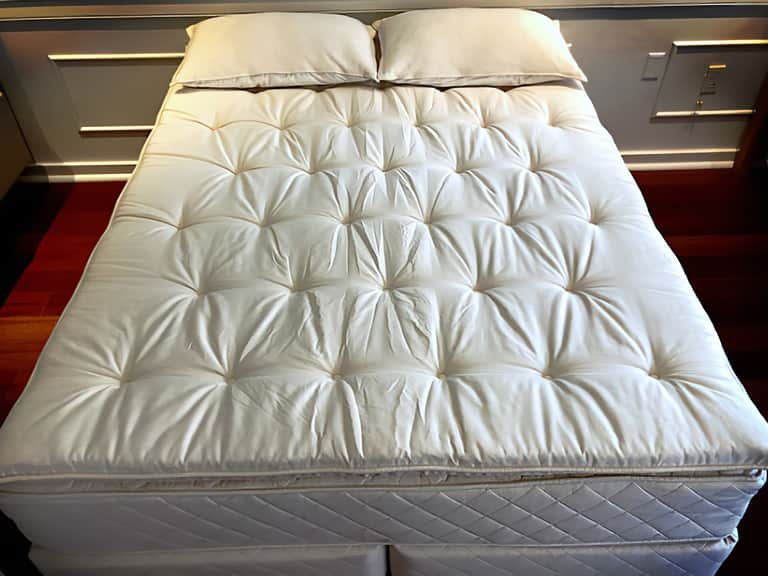
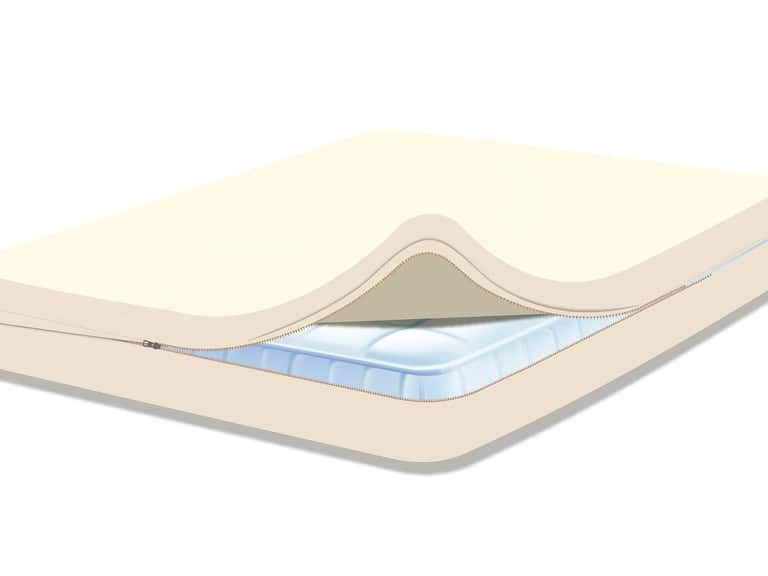
It is tempting to shop for a pillow as if it were independent of the bed. In practice, the mattress changes how the body is supported. If a shoulder sinks into a softer mattress, the head may sit closer to the sleeping surface than it would on a firm mattress. If a mattress has a more buoyant or firm feel, the shoulder may settle less. Mattress toppers, too, can alter the feel of the surface.
This does not mean that every pillow purchase requires a new mattress assessment. It means that a pillow’s performance should be tested on the bed where it will be used. Trying it on a showroom surface or holding it in a shop offers only limited information. Even the way a fitted sheet or pillowcase sits can slightly affect the experience, though the main factors remain the pillow, posture, and mattress.
If a familiar pillow suddenly feels different after a mattress change, the change in surface support may be part of the explanation. Conversely, a pillow that seemed too high on one bed may feel more suitable on another. Evaluate the whole sleep setup before deciding that one component is necessarily defective or unsuitable.
A memory foam example: the Aireloom Nimbus Visco
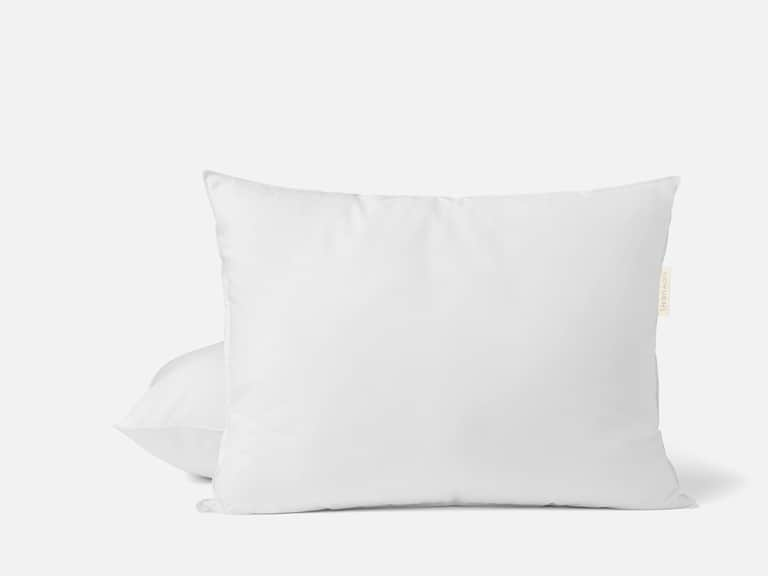
The Aireloom Nimbus Visco High Profile Pillow offers a practical example of why a pillow’s design should be considered alongside its profile. It is described as a high-profile pillow made with high-density, open-cell memory foam and a removable, hand-washable Tencel® cover. Its listed height is 6.5 inches, with queen and king dimensions. That measurement describes the product, but it cannot by itself establish whether the pillow will suit a particular sleeper.
Memory foam is viscoelastic: it responds to pressure and warmth by gradually conforming to the body. Compared with loose fill that can be moved from one side to another, a foam pillow may provide a more consistent shape beneath the head. That quality can appeal to people who like a contouring, stable feel. It can also feel unfamiliar to sleepers who prefer a pillow that fluffs, shifts, or compresses quickly.
For a side sleeper, the high profile may be worth evaluating if there is a larger gap between the head and mattress. But “high profile” is not a synonym for “right for broad shoulders.” A broad shoulder on a soft mattress may sink considerably; a narrower shoulder on a firm surface may remain more elevated. Individual body proportions and the amount the foam yields under pressure further complicate any simple matching formula.
For a back sleeper, the same 6.5-inch pillow may feel different because the shoulder no longer creates the same side-sleeping gap. Pay attention to whether the head seems elevated or whether the contour feels comfortable under the neck. If the pillow’s height pushes the chin toward the chest, or if the head seems to tip backward, that is a reason to reassess the fit—not proof of a medical problem.
Care instructions also matter to the long-term experience. The product information specifies hand-washing the cover with mild soap and cold water, followed by hand or air drying; the foam itself should not be machine washed or dried. Following those instructions helps preserve the materials and avoids treating a foam pillow like a washable fiber-filled insert.
A practical at-home pillow assessment
There is no need to turn pillow selection into a technical exercise. A careful trial on the bed you use most often can reveal more than a quick squeeze in a store. If the pillow has a trial period, read the terms before relying on it: return windows, hygiene requirements, shipping costs, and eligible condition can vary.
- Begin with your usual posture. Lie down as you normally would, rather than arranging your body for an artificial test.
- Notice the head’s direction. Ask whether it feels tipped up, tipped down, or comfortably supported. Look for a relaxed position, not forced symmetry.
- Let the pillow settle. Memory foam and other materials may respond differently over several minutes. Judge the pillow after it has had time to conform.
- Try your other common positions. If you switch between side and back sleeping, assess both. Note whether the pillow remains comfortable or feels too tall or too flat after a turn.
- Check the next morning, too. Record what you noticed overnight and when waking. One night may not tell the whole story, but recurring discomfort is useful information.
- Change one variable at a time. If possible, avoid changing the mattress, pillow, and sleeping routine all at once. A gradual approach makes it easier to identify what affects comfort.
A brief test cannot predict every night. People move, bedding shifts, and sleep conditions change. Still, a consistent pattern—such as the pillow repeatedly feeling too tall on the back or too low on the side—can guide the next decision. Adjustable-fill designs offer one way to experiment with height; fixed-profile foam pillows call for a closer match between the stated profile and the sleeper’s preferences.
Common assumptions worth questioning
“A higher pillow is better for side sleeping.” A side sleeper may need more loft than a back sleeper, but the required amount depends on shoulder width, mattress sink, and pillow compression. High loft is a feature, not a universal prescription.
“A pillow should keep the neck perfectly straight.” Alignment language can be useful, but bodies differ and sleep is not a static posture. A comfortable, relaxed position is a more practical everyday guide than trying to hold the neck in a rigid line.
“Firmness tells me the height.” Firmness and loft are separate qualities. A soft pillow can start out tall and compress substantially; a firmer pillow can maintain more of its profile. Consider how the material behaves under your head.
“Neck discomfort means I need a new pillow.” A pillow can affect comfort, but neck symptoms may have many causes. A bedding adjustment is not a diagnosis or a substitute for professional care, particularly when pain is severe, persistent, follows an injury, or comes with other concerning symptoms.
“One pillow should work in every bed.” Changes in mattress feel can alter how the shoulder and head settle. A pillow’s suitability is best judged in the actual sleep environment where it will be used.
When to seek guidance beyond bedding
Pillow choice is a matter of comfort, not a treatment plan. If you have ongoing neck pain, numbness, weakness, pain after an injury, or symptoms that interfere with daily life, contact a qualified health professional. They can evaluate concerns in context and advise whether factors beyond bedding need attention.
For people with a diagnosed condition or specific support needs, a clinician may offer individualized advice. General recommendations about loft or sleeping posture should not override that guidance. The same caution applies when choosing a pillow for a child or someone with a medical condition that affects breathing, mobility, or safe sleep.
The useful question is not “How tall?” but “How does it feel here?”
Pillow loft is important because it helps fill the space between the head and mattress. Shoulder width shapes that space for side sleepers, while sleep position determines how the pillow meets the head and neck. Mattress feel changes how far the body settles, and material determines how much of the pillow’s listed height remains under pressure.
The high-profile Aireloom Nimbus Visco illustrates the limits of relying on a label alone. Its 6.5-inch profile, memory-foam construction, and contouring response provide concrete details to consider, but they cannot answer the central question for every person: Does it feel comfortable in the position and bed you actually use?
Start with your habitual posture. Notice whether your head feels pushed upward, drawn downward, or at ease. Consider how your shoulder settles into the mattress, then give the pillow time to respond. A measured, comfort-first trial is more useful than chasing a universal ideal. The right pillow is not the tallest, softest, or most technically described one. It is the one that supports a restful position without demanding that your body adapt to an arbitrary standard.